
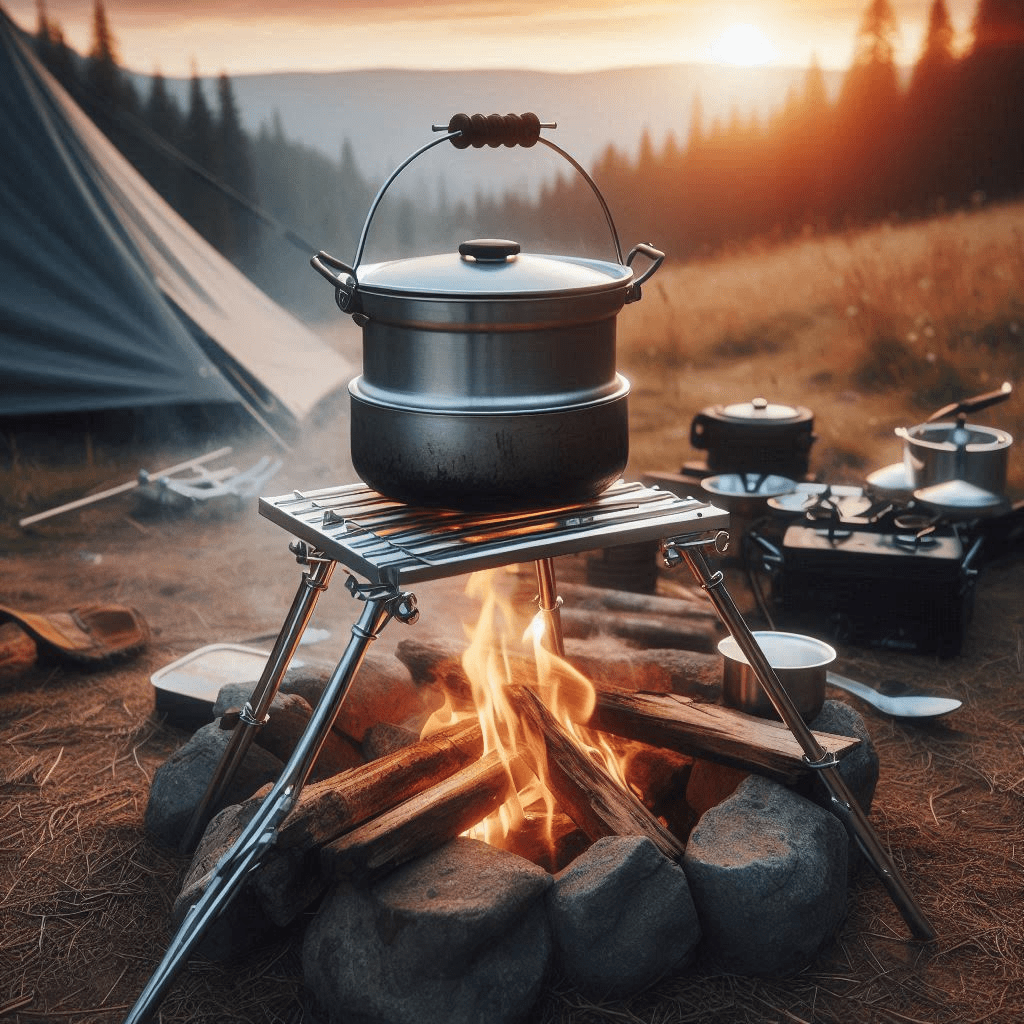
Overland cooking is more than just preparing meals while traveling; it’s an integral part of the overlanding experience. Whether you’re navigating rocky trails or setting up camp in a serene forest, the joy of cooking and sharing a meal in the great outdoors adds a unique flavor to your adventure. Here’s a guide to help you master the art of overland cooking.
1. Planning Your Overland Kitchen
Efficiency and Organization: An overland kitchen should be compact, efficient, and easy to set up. Use lightweight materials like aluminum for your kitchen setup, and consider foldable surfaces and drawers to keep your cooking supplies organized1.
Essential Gear:
- Portable Stove: A reliable stove is crucial. Options like the Jetboil Flash are popular for their quick boiling times and compact design2.
- Cookware: Cast iron skillets and Dutch ovens are versatile and durable, perfect for cooking a variety of meals.
- Utensils: Opt for compact, multi-functional utensils to save space.
2. Food Storage and Safety
Coolers and Storage: Invest in a good cooler to keep perishables fresh. Use separate containers for produce and other items to prevent cross-contamination1.
Bear-Proofing: In areas with wildlife, ensure your food is stored securely to avoid attracting animals. Bear-proof containers and proper food storage techniques are essential1.
3. Meal Preparation and Cooking Techniques
Simple and Delicious Recipes: Overland cooking doesn’t have to be complicated. Focus on simple, nutritious meals that can be prepared with minimal ingredients and equipment. Here are a few ideas:
- One-Pot Meals: Dishes like chili, stews, and pasta are easy to make and require minimal cleanup.
- Grilled Delights: Use a portable grill to cook meats, vegetables, and even fruits for a smoky flavor.
- Breakfast Favorites: Pancakes, scrambled eggs, and oatmeal are quick and satisfying options for the morning.
Cooking Tips:
- Prep Ahead: Chop vegetables and marinate meats before your trip to save time at the campsite.
- Use Spices: Bring a selection of your favorite spices to enhance the flavor of your meals.
- Stay Flexible: Be prepared to adapt your cooking plans based on the weather and available resources.
4. Cleanup and Sustainability
Eco-Friendly Practices: Minimize your environmental impact by using biodegradable soap and reusable dishware. Pack out all trash and leftovers to leave no trace1.
Efficient Cleanup: Set up a simple dishwashing station with two basins – one for washing and one for rinsing. This method conserves water and makes cleanup easier.
5. Enjoying the Experience
Overland cooking is as much about the experience as it is about the food. Take the time to enjoy the process, savor the flavors, and share the meals with your fellow travelers. The memories you create around the campfire will be just as cherished as the destinations you explore.
By planning ahead and embracing the simplicity of outdoor cooking, you can turn every meal into a highlight of your overlanding adventure. So, fire up that stove, gather your ingredients, and get ready to cook up some unforgettable moments on the road!

 Twin State Outdoors